Goat Farming in Ghana: A Practical Startup Guide
A practical Ghana-first guide to goat farming - pick the right breed for your area, size your capital in GH₵, build simple housing that survives the rains, and run a breeding cycle that actually produces kids.
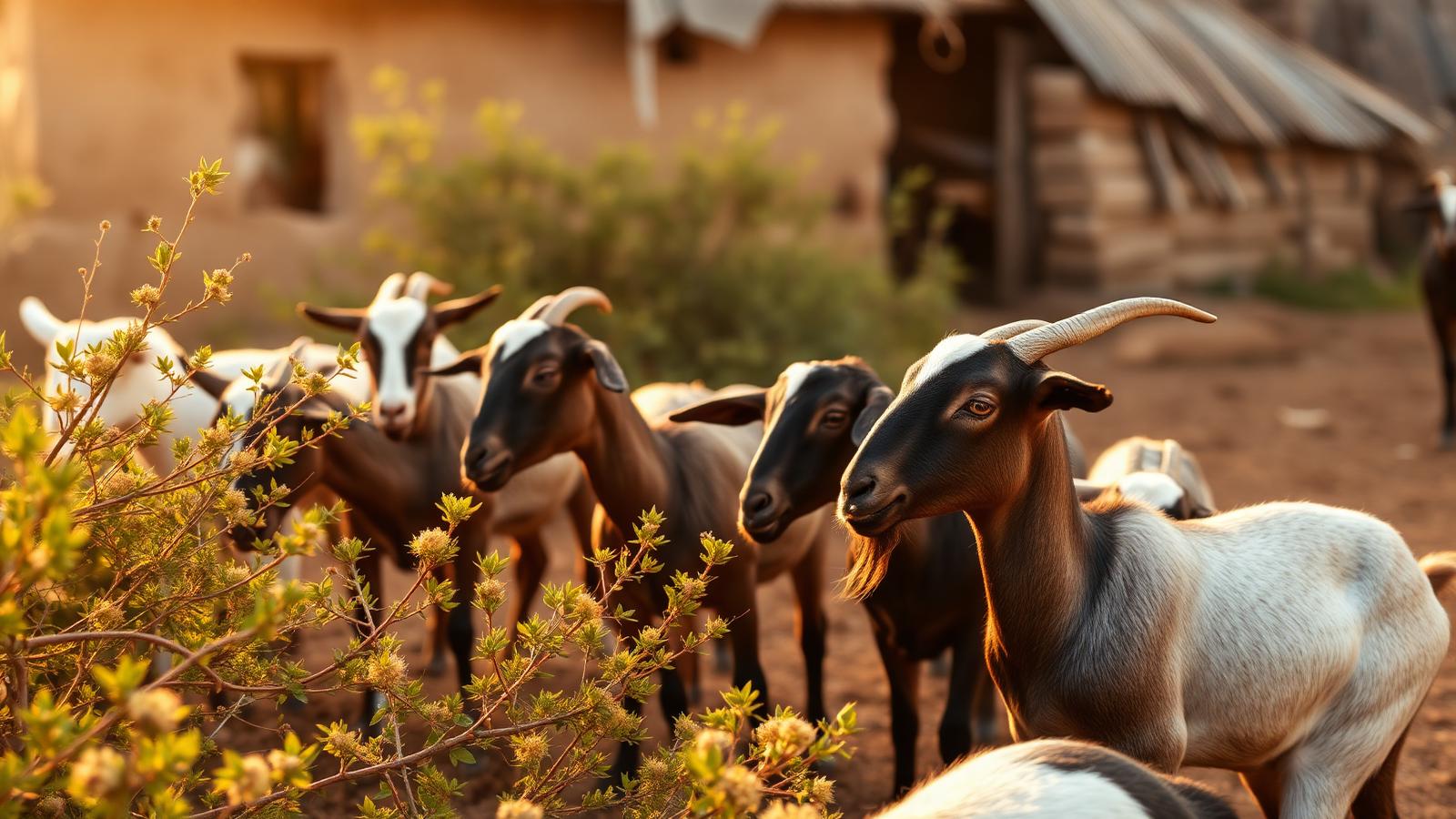
Breeds: West African Dwarf, Sahelian, and crosses
Two breeds dominate goat farming in Ghana, and the right choice depends almost entirely on where you live.
West African Dwarf (WAD) is the small, hardy goat you see everywhere from Accra to Kumasi. Adults weigh 20-30 kg, tolerate humidity and internal parasites better than any imported breed, and kid twice a year with 1-2 kids per birth. Best for the forest and transition zones.
Sahelian (Sahel) is the tall, long-legged northern goat - 30-45 kg, better meat yield, but far more vulnerable to humid-zone parasites. Ideal in the Northern, Upper East, and Upper West regions.
WAD x Sahelian crosses in the transition zone (Brong-Ahafo, Ashanti north) often give the best real-world result: bigger frame than pure WAD, hardier than pure Sahelian.
For a first flock, buy from a working farm in your own district - not from a market you have never used. You want to see the mothers, not just the kids.
GH₵ startup for 20 does and 1 buck
A realistic Ghana-market cost sheet for a foundation flock of 20 breeding does and 1 mature buck in 2026.
- 20 young does at GH₵ 550 each: GH₵ 11,000
- 1 mature buck (unrelated bloodline): GH₵ 1,500
- Housing (raised timber pen, 40 m²): GH₵ 6,000
- Fencing / paddock (1 acre, chain link or live fence): GH₵ 5,000
- Feed troughs, water buckets, mineral licks: GH₵ 800
- Deworming, PPR vaccination, starter meds: GH₵ 700
- Supplement feed (6-month buffer): GH₵ 2,500
Total startup ≈ GH₵ 27,500. Housing and fencing (GH₵ 11,000) are one-off; the recurring capital per new intake is closer to GH₵ 15,000.
Housing and fencing
Goats hate two things: wet feet and cold draughts. A working Ghana goat pen has a raised slatted floor (60-90 cm off the ground) so droppings fall through, a pitched roof for the rains, and open sides above 1.2 m for airflow.
Allow 1.5-2 m² per adult goat in the pen and separate the buck from the does when they are not breeding - otherwise you cannot control when kids arrive.
For fencing, chain link at 1.2 m works but is expensive. Live fencing with Gliricidia or Leucaena costs less, doubles as fodder, and improves over time. Combine both: chain link close to the pen, live fence on the outer paddock.
Feeding: browse, forage, and supplements
Goats are browsers, not grazers. They prefer leaves and shrubs to grass, and they will lose weight on lush pasture alone. A working feeding routine in Ghana:
- Morning: release into paddock with Gliricidia, Leucaena, cassava leaf, or natural browse (4-6 hours).
- Afternoon: cut-and-carry supplement - sweet potato vines, groundnut haulms, plantain peel.
- Evening: 200-400 g concentrate per adult (wheat bran + palm kernel cake + a little maize) for pregnant and lactating does.
- Always: clean water and a mineral lick. Salt deficiency alone can drop kidding rate by 20%.
During the dry season, plan for hay or dried forage - a shed full of dried groundnut haulms in October is worth more than money in February.
Breeding and kidding cycle
WAD does reach breeding age at 7-9 months, Sahelian at 9-12 months. Gestation is 150 days (5 months), and a healthy doe kids twice in 12-14 months with 1-2 kids per birth.
Rotate your buck every 18-24 months to a new bloodline - a buck breeding his own daughters is the fastest way to weak kids and low survival.
Wean kids at 3 months, separate males from females by 4 months to control unplanned pregnancy, and cull any doe that fails to conceive after two consecutive breeding attempts. Sentiment kills goat profits.
PPR, worms, and pneumonia
Three health threats do most of the damage in Ghanaian goat flocks.
- Peste des Petits Ruminants (PPR) - the number one killer of small ruminants in West Africa. A single annual vaccination (through Veterinary Services) protects for life. Do it. Every animal. Every year.
- Internal parasites (worms) - the silent profit killer. Deworm every 3 months, rotate ingredients (albendazole, ivermectin, levamisole), and rest paddocks for 6-8 weeks between grazings.
- Pneumonia - triggered by damp housing, draughts, and sudden temperature drops. Prevention is dry, well-ventilated pens. Treat early with a vet-prescribed antibiotic - a coughing kid at breakfast is dead by evening if ignored.
Market prices and timing
A mature WAD buck sells for GH₵ 700-1,100, a Sahelian for GH₵ 1,000-1,600. Prices rise 30-60% in the two weeks before Eid al-Adha (Tabaski), Christmas, and Easter.
Sell live from the farm gate where you can - traders take a big margin at market. Build a WhatsApp / phone list of 5-10 regular buyers (butchers, chop bar owners, families preparing for festivals) and message them a week before you intend to sell.
Year-one cashflow
Take the 20-doe WAD flock. Assume each doe produces 1.5 surviving kids per year (30 kids), sold at 8-10 months weighing ~20 kg at an average GH₵ 550. Revenue: GH₵ 16,500.
Annual running cost (supplement feed, vaccines, deworming, minor repairs, occasional replacement doe): ~GH₵ 6,000. Net gross margin: GH₵ 10,500 per year from the foundation flock.
The real payoff is compounding. By year 3, replacing culled does with home-bred stock and expanding to 40 does easily doubles the annual margin to GH₵ 20,000-25,000 without proportional cost growth.
Your next steps
Before you buy any goats:
- Visit two working goat farms in your region. Ask which month kills the most kids and why.
- Confirm PPR vaccination access through your district Veterinary Services office.
- Plant Gliricidia or Leucaena cuttings before your first animals arrive - they take 6-9 months to feed a flock seriously.
Log every kid, weaning, deworming and sale in FamRite. Ask questions in AgroChat #small-ruminants and #ask-a-vet - the difference between a profitable flock and a broken one is boring, consistent records.
Frequently asked questions
How much capital do I need to start goat farming in Ghana?
For 20 does and 1 buck expect around GH₵ 27,500 total, including one-off housing (GH₵ 6,000) and fencing (GH₵ 5,000). A smaller starter flock of 5 does and 1 buck runs about GH₵ 10,000-12,000 with basic housing.
Which goat breed is best for Ghana?
In the forest and transition zones (Accra, Kumasi, Sunyani), West African Dwarf goats are hardiest. In the northern regions, Sahelian goats grow larger and suit the drier climate. WAD x Sahelian crosses often work best in Brong-Ahafo.
How often do goats give birth?
A healthy doe in Ghana kids twice in 12-14 months, producing 1-2 kids per birth. Gestation is 150 days (5 months). A well-managed 20-doe flock can produce 30-40 kids per year.
What vaccines do goats need in Ghana?
The essential vaccine is PPR (Peste des Petits Ruminants) - one annual dose per animal through Veterinary Services. Add regular deworming every 3 months and vaccinate against contagious caprine pleuropneumonia (CCPP) if your area has a history.
When are goat prices highest in Ghana?
Prices rise 30-60% in the two weeks before Eid al-Adha (Tabaski), Christmas, and Easter. Time weaning and finishing so animals are ready 7-10 days before those festive weekends.
Run your farm with FamRite
Track flocks, log expenses in GH₵, and get answers from the FamRite community - all in one app.